Celebrating Adat Perpatih: Events and Significance
Preserving Tradition and Cultural Heritage
The Negeri Sembilan royal family plays a crucial role in preserving the Adat Perpatih customs and promoting traditional governance in the state. They are not only custodians of the royal lineage but also active participants in cultural events and ceremonies. These royal events in Negeri Sembilan often illustrate the importance of Adat Perpatih, further strengthening the bond between the royal family and the community. Their involvement ensures that the teachings of these customs are passed down through generations, fostering respect and understanding of Negeri Sembilan's historical narrative.</br></br>Royal heritage sites, such as the Negeri Sembilan royal palace, serve as important reminders of this lineage. Here, various festivals and community gatherings take place, highlighting the significance of traditional attire and the rich tapestry of Negeri Sembilan arts and crafts. This engagement not only honors the state's past but also promotes the region as a vibrant center of cultural tourism.
Exploring the Matrilineal System
The history of Negeri Sembilan is intricately linked with Adat Perpatih customs, which have adapted over time while retaining their core principles. Traditional governance in Negeri Sembilan is rooted in these customs, where community leaders are respected for their adherence to cultural practices. Events held throughout the year, such as the celebration of Negeri Sembilan festivals, exemplify how modern perspectives can coexist with historical traditions. These occasions not only serve to honor the past but also showcase the vibrant cultural identity of the state, inviting both locals and tourists to participate in the rich tapestry of Negeri Sembilan's heritage.</br></br>In particular, the integration of traditional music and food during these events reinforces the connection between culture and community. Such initiatives ensure that the essence of Adat Perpatih continues to thrive, emphasizing its significance in today’s context.
Adat Perpatih: Intersection of Tradition and Modernity
The Perpatih matrilineal system is a cornerstone of Negeri Sembilan's societal structure, shaping family ties and community relationships. Unlike many traditional systems, inheritance and familial authority pass through women, offering a distinct perspective on roles within the household and beyond. This unique approach fosters a sense of empowerment among women, reinforcing their significance in both family and community governance. The historical context of this system highlights how the Adat Perpatih remains relevant in contemporary society, serving as a model for gender equity and social responsibility.</br></br>Through various community leaders and local initiatives, efforts are made to educate the younger generation about the importance of these customs and their application in modern governance. This commitment to cultural preservation is evident in educational programs and workshops aiming to enhance understanding of the Adat Perpatih history, making it accessible to all.
Understanding Adat Perpatih: A Cultural Foundation
Adat Perpatih, deeply rooted in the history of Negeri Sembilan, embodies the unique matrilineal customs that shape the societal structure of the region. These customs influence not only family lineage but also the governance and social practices present in traditional Negeri Sembilan culture. This system emphasizes the role of women in inheritance and decision-making, reflecting a progressive understanding of societal roles that dates back centuries. Each aspect of Adat Perpatih plays a significant role in maintaining the cultural identity of the Negeri Sembilan royal family and its heritage.</br></br>Insights into Adat Perpatih customs reveal how rituals, ceremonies, and community events uphold these traditions. For instance, significant celebrations like the Adat Perpatih ceremonies are held to honor lineage, community leaders, and the rich folklore of Negeri Sembilan. Understanding these customs fosters appreciation for the unique heritage and practices that define this state.
The Ceremonial Landscape of Negeri Sembilan
The ceremonial landscape of Negeri Sembilan is marked by vibrant Adat Perpatih rituals that embody the values and beliefs of the community. These rituals, ranging from weddings to community gatherings, serve as platforms for reinforcing social bonds and celebrating shared heritage. For instance, the intricate details of traditional attire worn during these ceremonies reflect the unique artistry and craftsmanship that characterize Negeri Sembilan cultural practices. Engaging in these time-honored traditions not only strengthens community ties but also instills pride among participants, ensuring that the legacy of Adat Perpatih is preserved for future generations.</br></br>Moreover, the involvement of the Negeri Sembilan royal family in these ceremonies adds a layer of significance, as their presence symbolizes the continuity of tradition and state governance. By actively participating in festivities, they highlight the importance of cultural preservation in maintaining the identity of Negeri Sembilan, fostering an environment where heritage is celebrated and respected.
The Role of the Negeri Sembilan Royal Family
Events celebrating Adat Perpatih customs are held throughout the year, particularly during Negeri Sembilan festivals which attract visitors from across Malaysia. These festivals highlight the cultural significance of traditional practices, showcasing the arts, crafts, and culinary delights unique to the state. Each event serves as a reminder of the rich historical narrative that defines Negeri Sembilan, while also promoting community engagement and tourism. The Perpatih community remains active in ensuring that these events not only honor the customs of the past but also inspire a sense of belonging and cultural identity among participants. With an increasing number of visitors (estimated at over 10,000 annually), these celebrations are vital for cultural preservation and education on the significance of Adat Perpatih.
Celebrating Adat Perpatih: Events and Significance
Preserving Tradition and Cultural Heritage
The Negeri Sembilan royal family plays a crucial role in preserving the Adat Perpatih customs and promoting traditional governance in the state. They are not only custodians of the royal lineage but also active participants in cultural events and ceremonies. These royal events in Negeri Sembilan often illustrate the importance of Adat Perpatih, further strengthening the bond between the royal family and the community. Their involvement ensures that the teachings of these customs are passed down through generations, fostering respect and understanding of Negeri Sembilan's historical narrative.</br></br>Royal heritage sites, such as the Negeri Sembilan royal palace, serve as important reminders of this lineage. Here, various festivals and community gatherings take place, highlighting the significance of traditional attire and the rich tapestry of Negeri Sembilan arts and crafts. This engagement not only honors the state's past but also promotes the region as a vibrant center of cultural tourism.
Exploring the Matrilineal System
The history of Negeri Sembilan is intricately linked with Adat Perpatih customs, which have adapted over time while retaining their core principles. Traditional governance in Negeri Sembilan is rooted in these customs, where community leaders are respected for their adherence to cultural practices. Events held throughout the year, such as the celebration of Negeri Sembilan festivals, exemplify how modern perspectives can coexist with historical traditions. These occasions not only serve to honor the past but also showcase the vibrant cultural identity of the state, inviting both locals and tourists to participate in the rich tapestry of Negeri Sembilan's heritage.</br></br>In particular, the integration of traditional music and food during these events reinforces the connection between culture and community. Such initiatives ensure that the essence of Adat Perpatih continues to thrive, emphasizing its significance in today’s context.
Adat Perpatih: Intersection of Tradition and Modernity
The Perpatih matrilineal system is a cornerstone of Negeri Sembilan's societal structure, shaping family ties and community relationships. Unlike many traditional systems, inheritance and familial authority pass through women, offering a distinct perspective on roles within the household and beyond. This unique approach fosters a sense of empowerment among women, reinforcing their significance in both family and community governance. The historical context of this system highlights how the Adat Perpatih remains relevant in contemporary society, serving as a model for gender equity and social responsibility.</br></br>Through various community leaders and local initiatives, efforts are made to educate the younger generation about the importance of these customs and their application in modern governance. This commitment to cultural preservation is evident in educational programs and workshops aiming to enhance understanding of the Adat Perpatih history, making it accessible to all.
Understanding Adat Perpatih: A Cultural Foundation
Adat Perpatih, deeply rooted in the history of Negeri Sembilan, embodies the unique matrilineal customs that shape the societal structure of the region. These customs influence not only family lineage but also the governance and social practices present in traditional Negeri Sembilan culture. This system emphasizes the role of women in inheritance and decision-making, reflecting a progressive understanding of societal roles that dates back centuries. Each aspect of Adat Perpatih plays a significant role in maintaining the cultural identity of the Negeri Sembilan royal family and its heritage.</br></br>Insights into Adat Perpatih customs reveal how rituals, ceremonies, and community events uphold these traditions. For instance, significant celebrations like the Adat Perpatih ceremonies are held to honor lineage, community leaders, and the rich folklore of Negeri Sembilan. Understanding these customs fosters appreciation for the unique heritage and practices that define this state.
The Ceremonial Landscape of Negeri Sembilan
The ceremonial landscape of Negeri Sembilan is marked by vibrant Adat Perpatih rituals that embody the values and beliefs of the community. These rituals, ranging from weddings to community gatherings, serve as platforms for reinforcing social bonds and celebrating shared heritage. For instance, the intricate details of traditional attire worn during these ceremonies reflect the unique artistry and craftsmanship that characterize Negeri Sembilan cultural practices. Engaging in these time-honored traditions not only strengthens community ties but also instills pride among participants, ensuring that the legacy of Adat Perpatih is preserved for future generations.</br></br>Moreover, the involvement of the Negeri Sembilan royal family in these ceremonies adds a layer of significance, as their presence symbolizes the continuity of tradition and state governance. By actively participating in festivities, they highlight the importance of cultural preservation in maintaining the identity of Negeri Sembilan, fostering an environment where heritage is celebrated and respected.
The Role of the Negeri Sembilan Royal Family
Events celebrating Adat Perpatih customs are held throughout the year, particularly during Negeri Sembilan festivals which attract visitors from across Malaysia. These festivals highlight the cultural significance of traditional practices, showcasing the arts, crafts, and culinary delights unique to the state. Each event serves as a reminder of the rich historical narrative that defines Negeri Sembilan, while also promoting community engagement and tourism. The Perpatih community remains active in ensuring that these events not only honor the customs of the past but also inspire a sense of belonging and cultural identity among participants. With an increasing number of visitors (estimated at over 10,000 annually), these celebrations are vital for cultural preservation and education on the significance of Adat Perpatih.
Celebrating Adat Perpatih: Events and Significance
Preserving Tradition and Cultural Heritage
The Negeri Sembilan royal family plays a crucial role in preserving the Adat Perpatih customs and promoting traditional governance in the state. They are not only custodians of the royal lineage but also active participants in cultural events and ceremonies. These royal events in Negeri Sembilan often illustrate the importance of Adat Perpatih, further strengthening the bond between the royal family and the community. Their involvement ensures that the teachings of these customs are passed down through generations, fostering respect and understanding of Negeri Sembilan's historical narrative.</br></br>Royal heritage sites, such as the Negeri Sembilan royal palace, serve as important reminders of this lineage. Here, various festivals and community gatherings take place, highlighting the significance of traditional attire and the rich tapestry of Negeri Sembilan arts and crafts. This engagement not only honors the state's past but also promotes the region as a vibrant center of cultural tourism.
Exploring the Matrilineal System
The history of Negeri Sembilan is intricately linked with Adat Perpatih customs, which have adapted over time while retaining their core principles. Traditional governance in Negeri Sembilan is rooted in these customs, where community leaders are respected for their adherence to cultural practices. Events held throughout the year, such as the celebration of Negeri Sembilan festivals, exemplify how modern perspectives can coexist with historical traditions. These occasions not only serve to honor the past but also showcase the vibrant cultural identity of the state, inviting both locals and tourists to participate in the rich tapestry of Negeri Sembilan's heritage.</br></br>In particular, the integration of traditional music and food during these events reinforces the connection between culture and community. Such initiatives ensure that the essence of Adat Perpatih continues to thrive, emphasizing its significance in today’s context.
Adat Perpatih: Intersection of Tradition and Modernity
The Perpatih matrilineal system is a cornerstone of Negeri Sembilan's societal structure, shaping family ties and community relationships. Unlike many traditional systems, inheritance and familial authority pass through women, offering a distinct perspective on roles within the household and beyond. This unique approach fosters a sense of empowerment among women, reinforcing their significance in both family and community governance. The historical context of this system highlights how the Adat Perpatih remains relevant in contemporary society, serving as a model for gender equity and social responsibility.</br></br>Through various community leaders and local initiatives, efforts are made to educate the younger generation about the importance of these customs and their application in modern governance. This commitment to cultural preservation is evident in educational programs and workshops aiming to enhance understanding of the Adat Perpatih history, making it accessible to all.
Understanding Adat Perpatih: A Cultural Foundation
Adat Perpatih, deeply rooted in the history of Negeri Sembilan, embodies the unique matrilineal customs that shape the societal structure of the region. These customs influence not only family lineage but also the governance and social practices present in traditional Negeri Sembilan culture. This system emphasizes the role of women in inheritance and decision-making, reflecting a progressive understanding of societal roles that dates back centuries. Each aspect of Adat Perpatih plays a significant role in maintaining the cultural identity of the Negeri Sembilan royal family and its heritage.</br></br>Insights into Adat Perpatih customs reveal how rituals, ceremonies, and community events uphold these traditions. For instance, significant celebrations like the Adat Perpatih ceremonies are held to honor lineage, community leaders, and the rich folklore of Negeri Sembilan. Understanding these customs fosters appreciation for the unique heritage and practices that define this state.
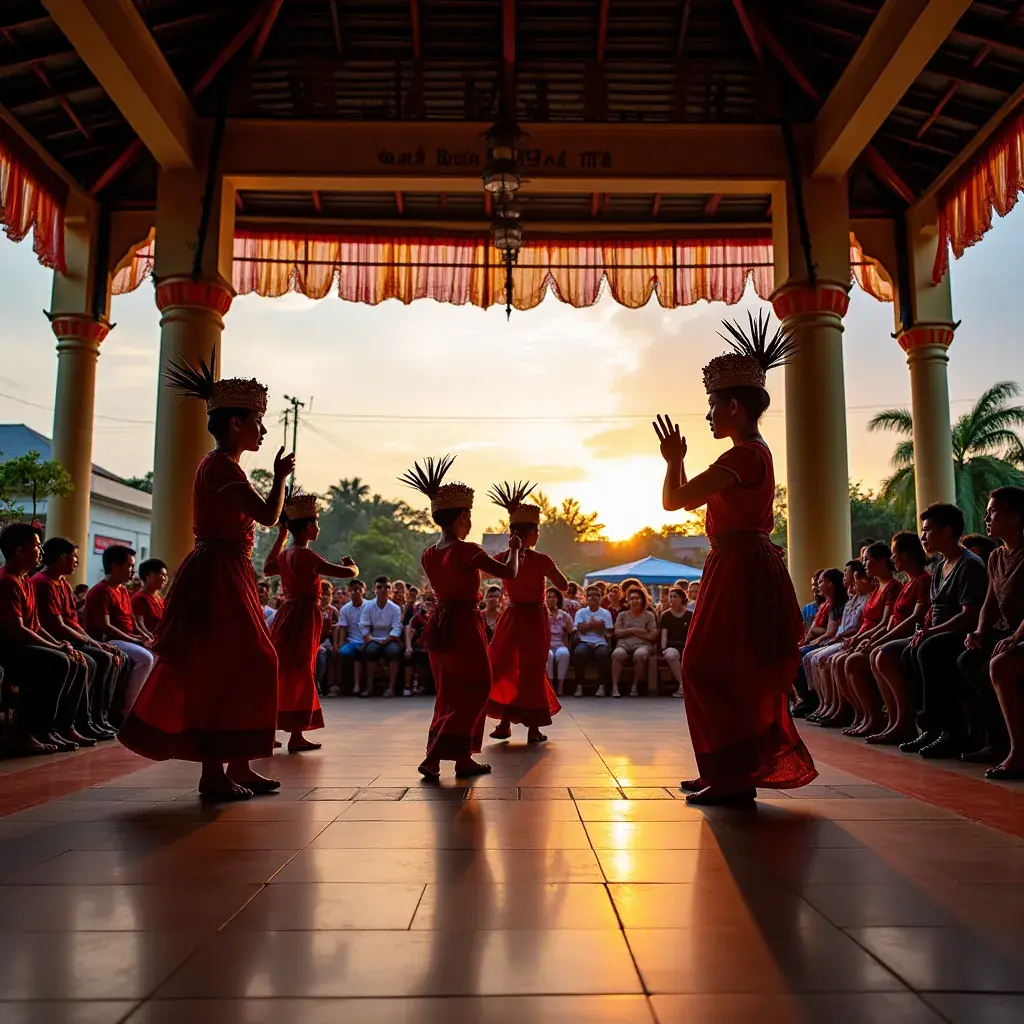
The Ceremonial Landscape of Negeri Sembilan
The ceremonial landscape of Negeri Sembilan is marked by vibrant Adat Perpatih rituals that embody the values and beliefs of the community. These rituals, ranging from weddings to community gatherings, serve as platforms for reinforcing social bonds and celebrating shared heritage. For instance, the intricate details of traditional attire worn during these ceremonies reflect the unique artistry and craftsmanship that characterize Negeri Sembilan cultural practices. Engaging in these time-honored traditions not only strengthens community ties but also instills pride among participants, ensuring that the legacy of Adat Perpatih is preserved for future generations.</br></br>Moreover, the involvement of the Negeri Sembilan royal family in these ceremonies adds a layer of significance, as their presence symbolizes the continuity of tradition and state governance. By actively participating in festivities, they highlight the importance of cultural preservation in maintaining the identity of Negeri Sembilan, fostering an environment where heritage is celebrated and respected.
The Role of the Negeri Sembilan Royal Family
Events celebrating Adat Perpatih customs are held throughout the year, particularly during Negeri Sembilan festivals which attract visitors from across Malaysia. These festivals highlight the cultural significance of traditional practices, showcasing the arts, crafts, and culinary delights unique to the state. Each event serves as a reminder of the rich historical narrative that defines Negeri Sembilan, while also promoting community engagement and tourism. The Perpatih community remains active in ensuring that these events not only honor the customs of the past but also inspire a sense of belonging and cultural identity among participants. With an increasing number of visitors (estimated at over 10,000 annually), these celebrations are vital for cultural preservation and education on the significance of Adat Perpatih.